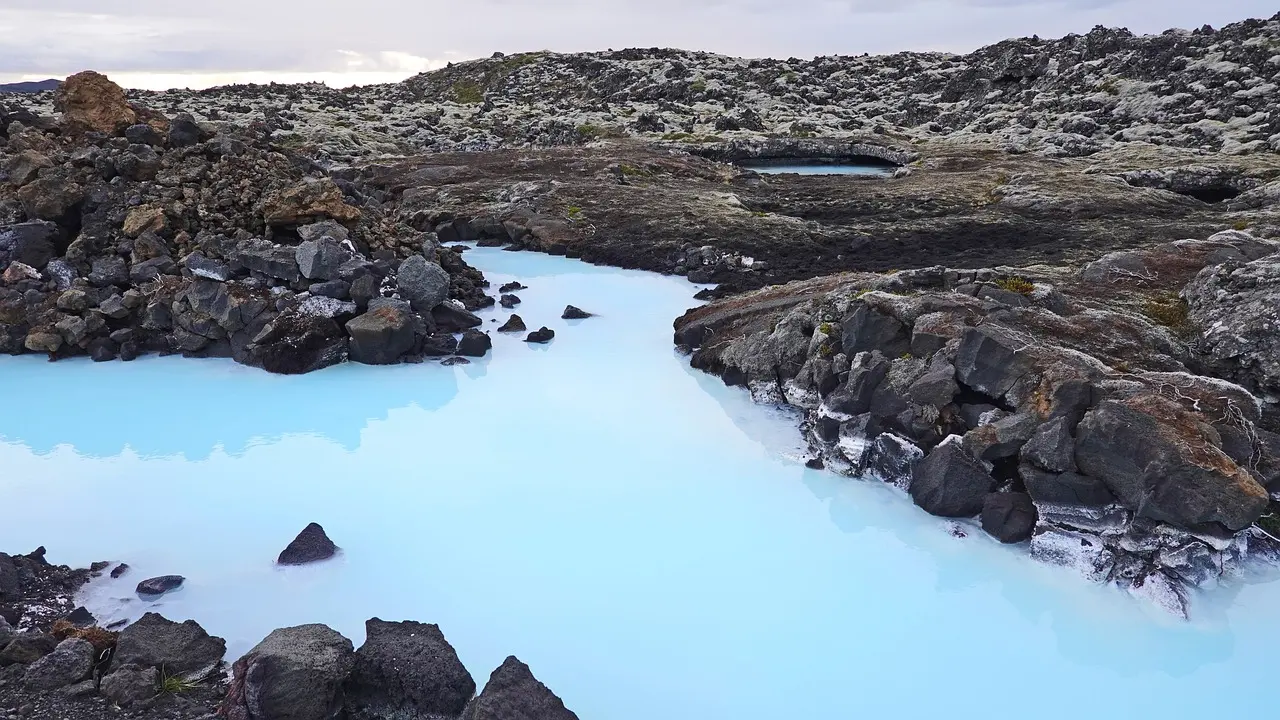
If you are wondering what to eat in Reykjavik, the shortest answer is hot food from Iceland's own sea and pastures: lamb soup, langoustine soup, cod or salmon caught not far from shore, and cinnamon pastries with a big cup of coffee. This small capital is walkable to almost every restaurant, so it is easy to make meals part of your sightseeing.
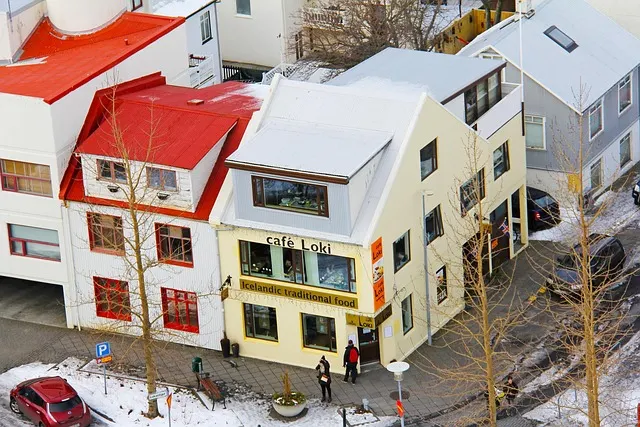
This article is arranged by time of day, from waking up and grabbing something before heading out to see waterfalls, to dinner after you come back into town, along with what to know about costs, grocery stores and Icelandic table manners.
Understand Icelandic food before you order
Iceland is an island in the middle of the North Atlantic with little farmland and cool weather almost all year, so traditional food revolves around three things: fish, lamb and dairy. Sheep here graze freely in the mountains all summer, so the meat is milder than many people expect. Most fruit and vegetables are grown in geothermally heated greenhouses or imported, so they cost more than back home.
Restaurants in Reykjavik today fall roughly into three types.
- Traditional restaurants serving soups, fish stews and lamb dishes the way Icelanders eat at home
- Modern Nordic restaurants that turn local ingredients into beautiful plates, ideal for one special night
- Simple, cheaper places such as hot dog stands, soup-in-a-bread-bowl shops and cafés with sandwiches
Breakfast and snacks before setting off
Skyr
Skyr looks like thick yogurt but is actually a type of fresh cheese that has been made for over a thousand years. It is high in protein and low in fat, and with granola or blueberries it will keep you full until lunch. It is sold in every supermarket in many flavors to try.
Geothermal rye bread (Rúgbrauð)
A dark, dense, slightly sweet bread, traditionally baked by burying a pot in hot ground near a hot spring for a long time. Spread it with salted butter and top it with herring or smoked salmon for a breakfast locals love.
Morning cafés
Cafés in the city center usually open early, perfect for picking up coffee and snacks for the car before heading out on the Golden Circle or the south coast, where there are not many places to eat along the way, especially in winter when some places close early.
Lunch: warming up against the cold wind
Lamb soup (Kjötsúpa)
A clear soup with big chunks of lamb, potatoes, carrots and other root vegetables, simmered until the broth is sweet from the bones. Icelanders consider it winter comfort food. Many places serve it with bread and free refills, making it one of the most filling and best-value meals in town.
Langoustine soup (Humarsúpa)
Often labeled lobster soup on English menus, it is actually made with langoustines, small Norway lobsters caught off the south coast. The soup is thick and orange, rich with cream and fragrant with shells. If you like bold flavors, try it at least once. The fishing town of Höfn in the southeast is also famous for it, if your road trip goes that far.
Icelandic hot dogs (Pylsur)
A sausage made partly with lamb in a soft bun, topped with crispy fried onions and raw onions, sweet mustard and remoulade. Just order one "with everything". It is the most affordable quick bite in town and something visitors happily line up for.
Dinner: fresh fish from the North Atlantic
Cod and haddock
White fish has always been the heart of Iceland's economy. Reykjavik restaurants like to grill it or pan-fry it simply in butter, letting the sweetness of the fish take center stage. Another dish worth knowing is Plokkfiskur, a stew of flaked fish with potatoes and white sauce, eaten with rye bread, a home-style dish many places still make.
Salmon and Arctic char
Besides salmon, look for Arctic char, a cold-water fish with finer texture and milder flavor, usually served grilled with crispy skin or smoked as a starter.
Grilled lamb
For those who do not eat fish, lamb fillet or grilled lamb ribs with root vegetables and berry sauce are a safe choice. Modern Nordic restaurants usually do this dish well.
Challenge dishes, try them or not
Some places serve unusual things like fermented shark (Hákarl), which has a very strong smell, or dishes made from whale and puffin. Today even locals rarely eat them day to day, and there are conservation concerns, so we recommend sticking mainly to fish and lamb dishes instead.
Cafés and pastries in Reykjavik
Iceland's coffee culture is very strong, and people here drink several cups a day, so there are cafés on every corner of the city, with cozy decor and warm yellow lighting, perfect for escaping the cold wind outside.
- Cinnamon rolls (Kanilsnúður): the famous pastry you must try, soft and fluffy, fragrant with cinnamon and butter. Some places top them with chocolate or caramel. They go perfectly warm with black coffee or hot chocolate.
- Kleinur: twisted fried dough, crisp outside and soft inside, not too sweet, a treat every household makes
- Hjónabandssæla: an oat tart filled with rhubarb jam whose name means "marital bliss", often found in homey cafés
- Homemade bakeries: many places bake every morning, so arrive before late morning to get pastries fresh from the oven
Walk from Hallgrímskirkja church down Skólavörðustígur to Laugavegur and you will pass many cafés and pastry shops, a half-day stroll that is fun for both eating and photos.
Food costs in Iceland and how to stay on budget
Iceland is one of the most expensive countries in Europe, so eating out costs quite a bit more than Thai travelers are used to. Prices vary by restaurant and season, so budget for this in advance and use these tips to save.
- Budget supermarkets: the Bónus and Krónan chains have skyr, bread, sandwiches, fruit and water, good for stocking up for the day in the car
- Tap water is drinkable: Icelandic tap water is clean and delicious, restaurants usually serve water free, and you can refill a bottle all day with no need to buy bottled water
- Set lunches: some places offer lunch menus or a soup of the day that is better value than dinner
- Happy hour: many bars and restaurants discount drinks from afternoon to early evening
- Alcohol: outside restaurants and bars, alcohol can only be bought at the state-run Vínbúðin stores, which have limited opening hours. Regular supermarkets only sell low-alcohol beer.
What to know at the Icelandic dinner table
- Tipping: menu prices already include service, so tipping is not necessary. If you are very impressed, you can leave some change.
- Paying by card: almost every place, even hot dog stands, accepts credit cards or mobile payment, so there is no need to exchange much cash.
- Reservations: popular restaurants are often full in summer and from Christmas to New Year, so book dinner in advance.
- Opening hours: restaurants in the capital stay open into the evening, but rural places in winter may close early or all day. If you drive out of town, bring food in the car.
- Language: staff at nearly every restaurant speak good English, and most menus are in English alongside Icelandic. A simple "Takk" (thank you) always gets a smile from locals.
Taste it all in one trip
If you only have 1-2 days in Reykjavik, try this: skyr and coffee for breakfast, lamb soup or a hot dog for lunch, a café stop for a cinnamon roll in the afternoon, and cod or langoustine soup to finish in the evening. That is enough to get to know Iceland's main flavors. On days when you head out of town, ask your guide or driver to suggest rest stops with restaurants, so you won't go hungry between waterfalls and glaciers.
Private Iceland tours that stop in Reykjavik
- REJ003 Iceland private tour: in-depth South Coast, 6 days 5 nights
- REJ005 Iceland private tour, 10 days 9 nights
- REJ007 Grand Iceland, 11 days 10 nights
Want help planning a route with food stops along the way? Chat with us, or LINE 004207289999999, call 083-035-9755, or contact See You Again anytime.
Travel Iceland privately with See You Again
Planning it yourself?
What independent travellers usually book before they go, from providers that actually work

Partner links · we may earn a small commission when you book, your price stays the same